
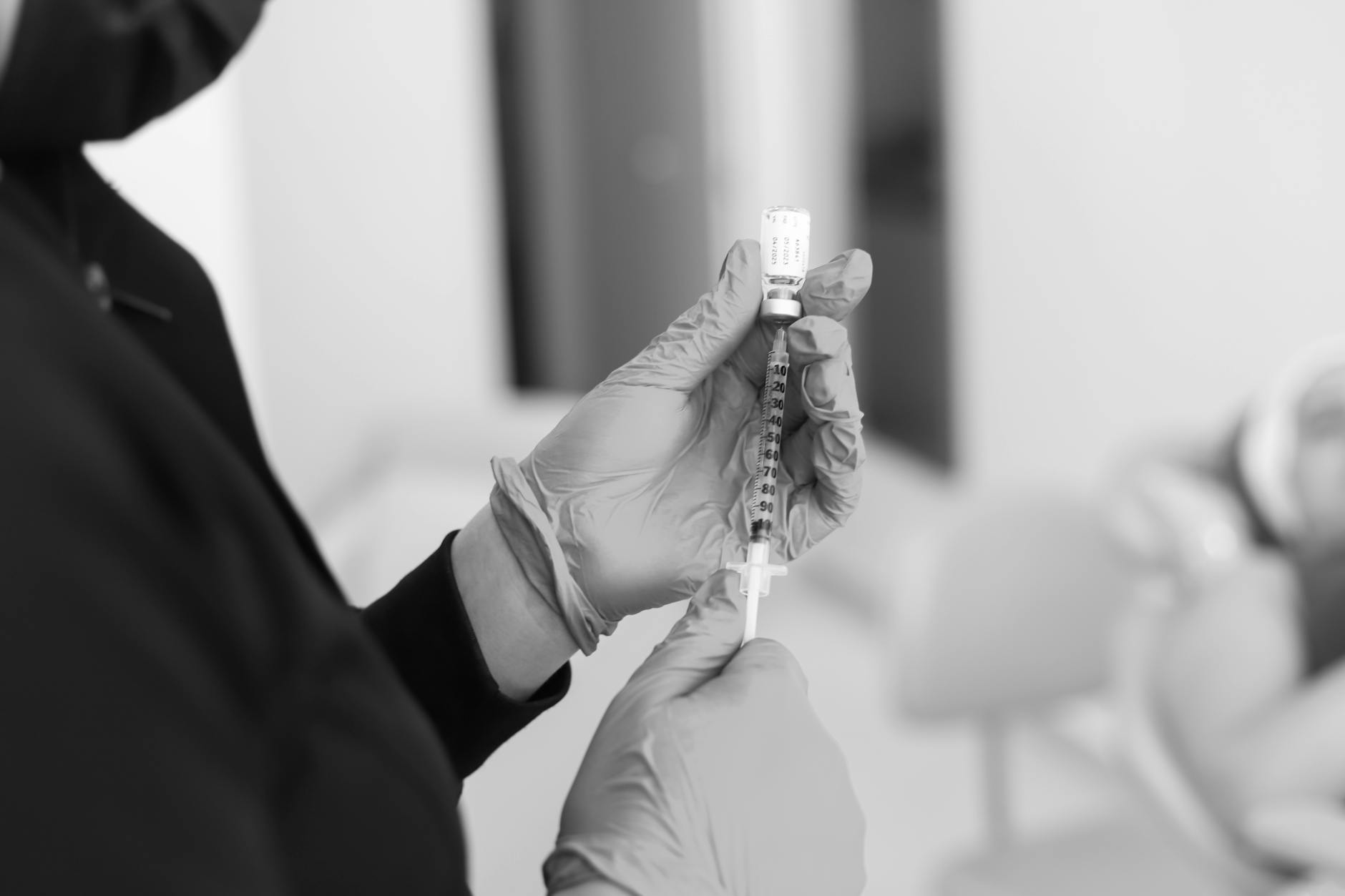
The largest survey of its kind has uncovered significant problems with the quality of care and advice given to people in the UK who receive cosmetic injections, such as the anti-wrinkle treatment botulinum toxin.
Led by academics from Anglia Ruskin University (ARU) and KLNIK, the study involved 919 adults across the UK who had received the treatment. Their findings, published in the Aesthetic Surgery Journal Open Forum, highlight a major issue: the UK is one of the only wealthy nations that allows non-health care professionals to legally administer this drug with minimal oversight.
This lack of regulation is particularly concerning given that an estimated 900,000 anti-wrinkle procedures are performed annually. Notably, an overwhelming 89% of those surveyed support the government’s recent proposals to introduce stricter regulation for these procedures.
Gaps in Safety and Informed Consent
The survey data revealed serious failures in the patient care process:
Prescriber Absence: Although botulinum toxin must be dispensed by a qualified prescriber, only 42% of participants reported that a prescriber was present during their consultation.
Missing Paperwork: Worryingly, 9% weren’t given a written consent form, and 18% weren’t informed of possible complications before their procedure.
No Aftercare: Just 26% of people received post-treatment support, and only 28% recalled getting advice on managing potential side effects.
While the majority of respondents (90%) were satisfied with their treatment, short-term issues were common, including bruising or swelling (26%), headaches (25%), and injection site pain (10%).
Public Confusion and Under-reporting
The study also demonstrated that the public is largely unaware of safety procedures and how to report problems:
Only 35% of participants were familiar with current regulations.
A staggering 74% were unaware of the UK’s Yellow Card reporting system, which is the mechanism used by the Medicine and Healthcare products Regulatory Agency (MHRA) to track safety concerns reported by the public.
In fact, only 5% of people filed a formal complaint after their treatment.
This suggests that the true number of complications is significantly under-reported. As Professor Lee Smith, co-lead author, points out, the UK’s system is a “health care paradox”—a medically regulated drug used in an “unregulated esthetic marketplace.” He stressed that non-health care professionals often lack formal reporting obligations, making under-reporting a serious issue.
Dr. Roshan Ravindran, the other co-lead author, emphasized the need for comprehensive reform: “Our survey reveals serious gaps in informed consent and aftercare.” He advocates that as the government moves towards licensing, the new rules must include minimum educational standards, ethical codes, and robust enforcement—not just focusing on technical skill.
The authors agree that the government’s proposed new regulations—which would introduce standards and licenses overseen by local authorities—are urgently needed to protect the public. Until then, the NHS will continue to deal with the fallout when unregulated procedures go wrong.
https://medicalxpress.com/news/2025-09-major-cosmetic-survey-safety-gaps.html#google_vignette
Leave a Reply