
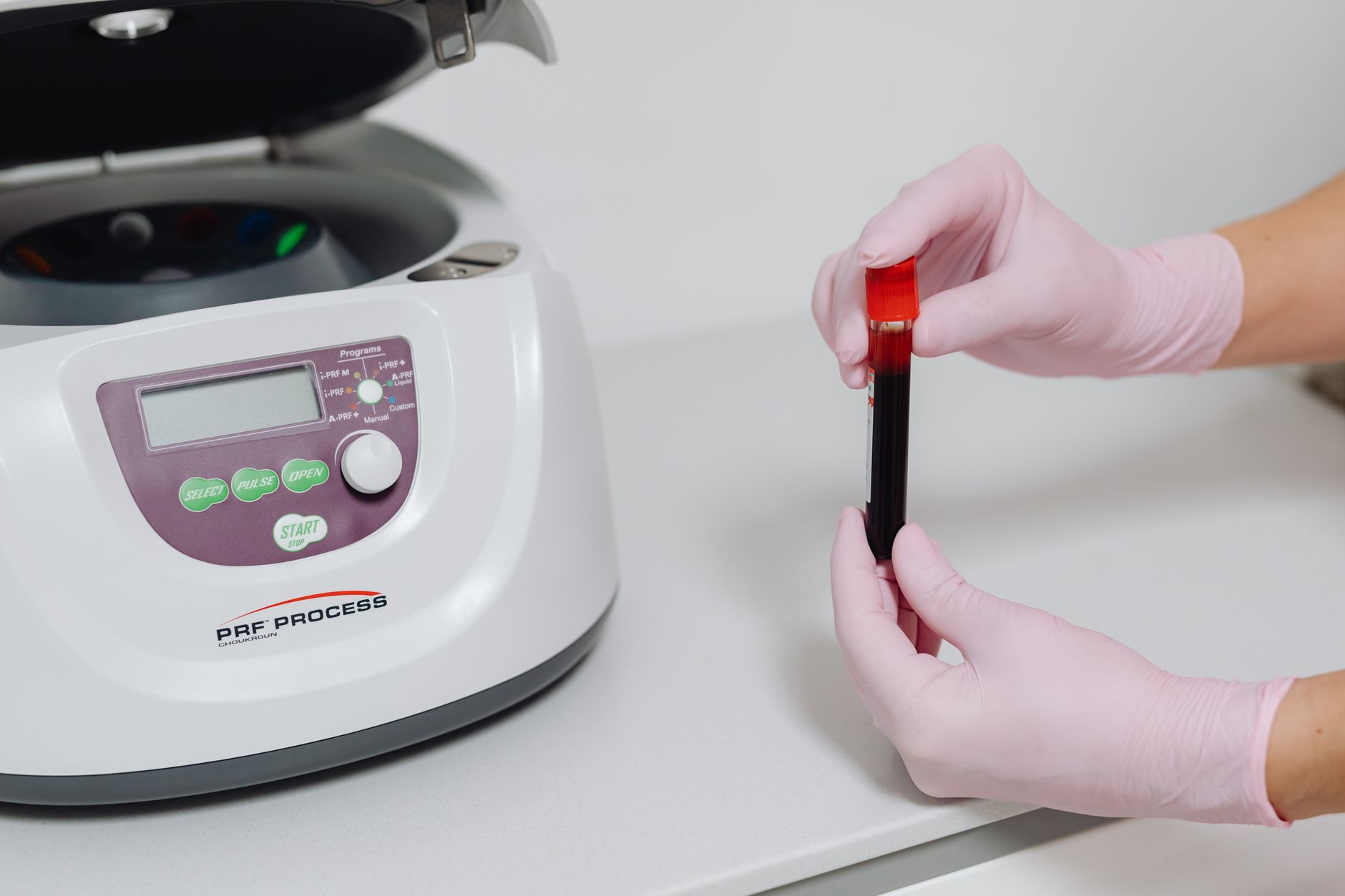
“Regenerative” has quickly become the defining buzzword of modern aesthetics. While treatments like platelet-rich plasma (PRP) and platelet-rich fibrin (PRF) have been popular for years, the term now encompasses a broader range of biological therapies, including exosomes, polynucleotides, and biostimulatory injectables—all designed to harness the body’s natural repair mechanisms.
According to recent data data from NewBeauty’s State of Aesthetics Summer 2026 report reveals a notable gap between consumer familiarity and consumer interest. While only 37% of respondents say they are familiar with “regenerative aesthetics” as a category, willingness to try individual treatments is striking:
- 71.2% would consider PRP injections
- 50.6% would consider exosome treatments
- 42.2% are open to PRF
- 38.5% are interested in biostimulatory fillers
- 37.8% would consider fat transfer
- 26%+ show interest in polynucleotides (PDRN)
This high demand aligns directly with changing patient goals. According to the survey, preventing future aging is the top priority for 72.6% of respondents, followed by improving skin quality (64.8%), tightening lax skin (58.4%), and maintaining facial volume (56.4%). Furthermore, 50.6% explicitly prefer subtle, natural-looking results, with only 7.2% opting to avoid aesthetic treatments entirely.
Medical professionals note that aesthetics is increasingly merging with the broader longevity movement. Rather than overfilling the face or jumping straight to surgery, doctors report that patients—often starting at younger ages—are requesting treatments that stimulate collagen production and preserve their natural features.
Social Media Buzz Ahead of Clinical Research
Dermatologists credit social media for introducing patients to specific procedure names long before they understand the overarching concept of regenerative medicine. However, practitioners urge caution, noting that consumer excitement is currently outstripping scientific evidence.
While established treatments like PRP, PRF, and traditional biostimulators carry decades of clinical research, newer offerings like exosomes and polynucleotides are still developing a robust safety and efficacy profile. Physicians emphasize that as viral trends on platforms like TikTok drive patient demand, the industry must prioritize clinical evidence over marketing hype to protect long-term patient health.
What This Means to You
Rising Trend: “Regenerative aesthetics” (treatments using the body’s own biology like PRP, PRF, exosomes, biostimulators, and polynucleotides) is becoming a major buzzword in cosmetic procedures.
High Interest vs. Low Awareness: According to NewBeauty’s Summer 2026 report, while only 37% of people are familiar with the umbrella term “regenerative aesthetics,” interest in individual treatments is high (e.g., 71.2% would consider PRP, 50.6% exosomes, and 42.2% PRF).
Consumer Priorities: The interest is driven by a desire for preventative, natural-looking results, collagen maintenance, and long-term skin health over dramatic, artificial transformations or surgical fixes.
The Hype vs. Science Gap: Dermatologists and plastic surgeons warn that consumer enthusiasm and social media trends are moving faster than scientific backing. Proven options like PRP and biostimulators have strong clinical backing, whereas newer entrants like exosomes and polynucleotides require further research regarding safety and long-term efficacy.
REFERENCE
https://www.newbeauty.com/view/regenerative-aesthetics-state-of-aesthetics-2026
Leave a Reply